
Turning 104 is a milestone for many, a starting point for those who lead the company today, with a clear responsibility: to consolidate what three generations have built and structure it to face increasingly competitive markets.
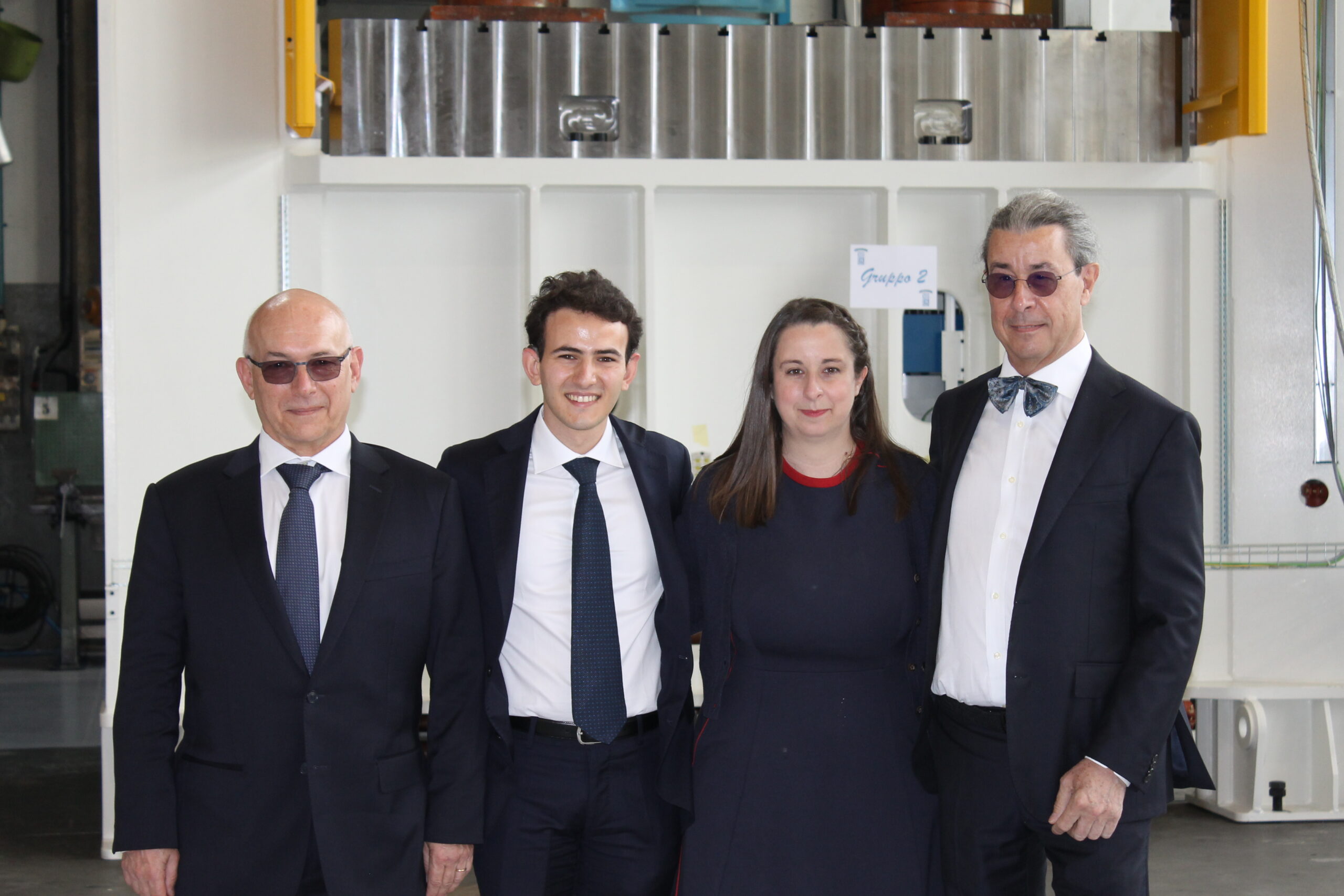
Paola Ridolfi and Giacomo Cavenaghi are the fourth generation to join Giovanni Cavenaghi and Carlo Ridolfi at the helm of the company. She is 40 years old, with a degree in Biological Sciences and then in Economics, four years at PwC Advisory, a year in management control at Humanitas, and a Master’s in Project Management from the Politecnico: she joined C&R in 2017 as a Project Manager in the production and technical sectors. He, aged 28, has a background in economics and management, a Master’s in Digital Innovation from MIP, and three years as a consultant at Nextea on Digital Transformation projects: he joined the family business in 2024, holding roles in administration, human resources and sales.
Both joined C&R after building their careers elsewhere, with the aim of “maintaining and ensuring the prosperity of a historic company in increasingly challenging times within a profoundly changed market context”.
First the workshop, then the company
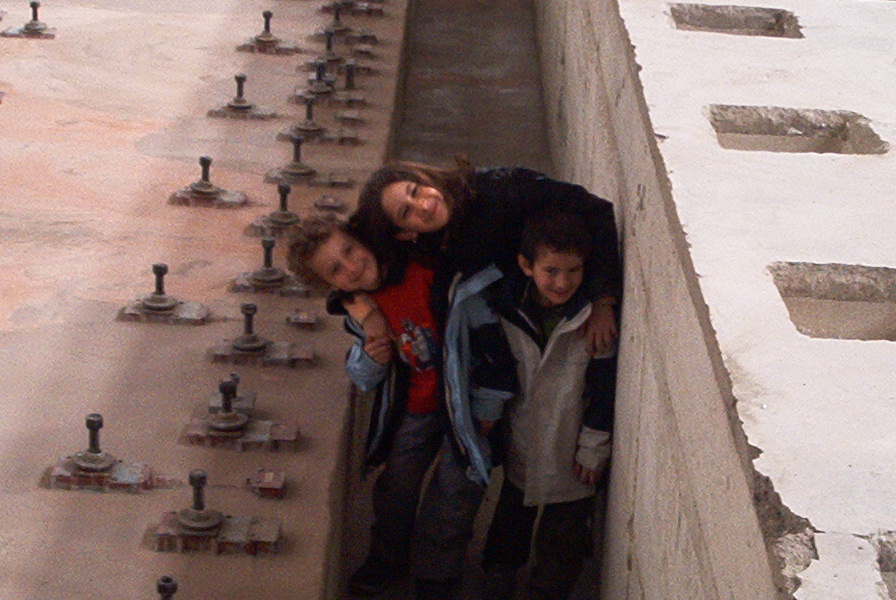
For both, C&R comes first as a physical location which as a professional project. Paola learned to use the file at the age of nine, in the Limbiate workshop: “For my sister and I the workshop was a big playground“, she says. Giacomo remembers Saturdays when he would join his father for lunch and the workshop tour was part of the ritual: “I have a photo of me, my brother and my sister in the reamer hole as a memento of one of those days”. The family business wasn’t an abstraction, it was a place with smells, cars, people.
Yet neither of them entered it directly. Paola built a long journey elsewhere before returning in 2017. Giacomo waited until he had something specific to bring: “I decided to join C&R when I acquired skills I believed in, and when I saw in Paola a consolidated presence and a strong sense of generational continuity.”
Their presence is more than just a generational step. At the helm of C&R always sit a Cavenaghi and a Ridolfi: it is not written in the bylaws, it has never been formalized; it is a pact that the two families have respected since the company existed. Paola and Giacomo are no exception.
The value of craftsmanship is not where it seems
There is a recurring pattern in family SMEs: the new generation modernizes, the previous one holds back. This simplification does not apply to Limbiate, however.
The point that Paola and Giacomo immediately clarify is another: “The craftsmanship remains a value when it translates into attention to detail and the ability to adapt each machine to the customer’s needs. The change concerns the method.” C&R has always worked on orders, with presses designed and built for specific applications: deep drawing, blanking, hot forming. Customization is not a limit to be exceeded, it is the reason why certain customers have been returning for decades.
What changes is not the product, it is the method by which it is produced and managed. A significant part of business knowledge has been built on direct experience, embedded in people rather than processes. It works as long as those people are there, the problem arises when it needs to be transferred, replicated, and made available to those who arrive later. “Industrializing means organizing better the way we work,” they explain, “so that quality depends on a structured system, not just intuition.”
What is encoded is not lost
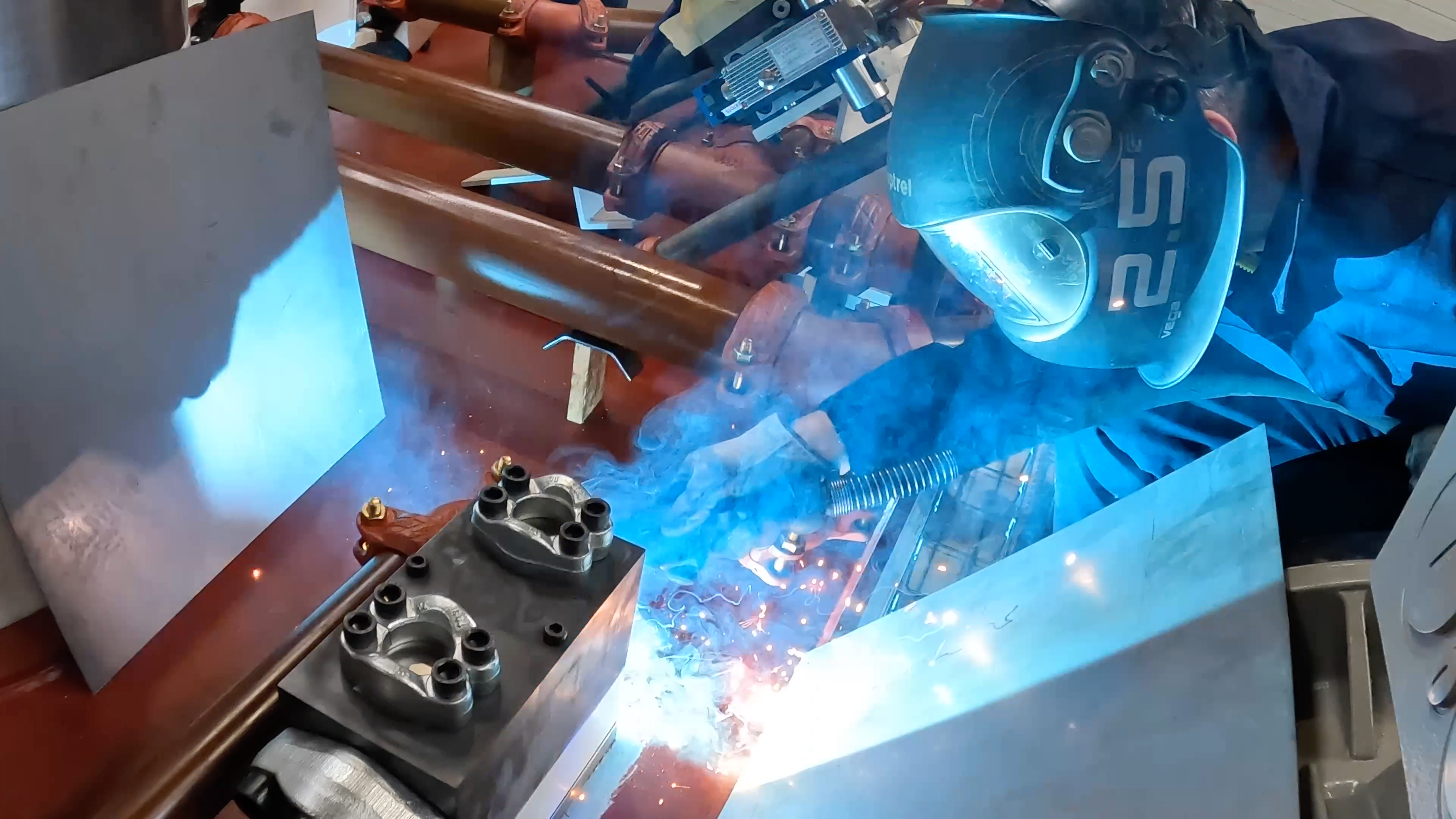
Paola and Giacomo’s work started from engineering and internal processes. Design complexity remains where it belongs, in the minds and experiences of the most senior technicians. But execution must rest on clear, documented and accessible procedures. At the same time, the management control is being strengthened: Paola brings the experience built in contexts very different from the manufacturing one and applies it to a production reality that has always reasoned more for expertise than for indicators; Giacomo integrates his skills in change management to manage organizational transformation and guide people through change, not just introduce new tools.
The most sensitive node remains the knowledge transfer. C&R has decades of technical expertise in the design of hydraulic presses and molding lines. That knowledge must move from people to structure. “We are trying to place older generations alongside younger ones in a structured way for the most comprehensive knowledge transfer possible.” It’s not a simple process-different generations have different approaches and expectations-but it’s the condition for ensuring continuity without losing technical depth.
A guide who first listens, then decides
Changing processes is the visible part. The less visible part is about how you make decisions and build a team. The previous generation drove with a strong personal imprint, a direct and vertical model. It was effective in the context in which it was born, “today we need a more shared approach. We are making the organization less figure-centered and more team-oriented, with defined responsibilities and clear processes.”
In practice this translates into weekly alignments between different offices, tools to monitor the progress of orders, systems to track information that previously lived only in people’s memories. The style that Paola and Giacomo call consultative keeps the final decision up to the owners, but gathers ideas and feedback first from those in the field. The goal is “to create a team with which to find the best solutions and processes together, with a view to collaboration.”
What customers should expect
Those who have been working with C&R for years find the same attention and care that has always characterized the relationship. “In addition, find greater organization and a more systematic approach in the management of the sales assistant and communication.“
For those approaching today, the offer is more precise: “We want to be a company that combines design expertise with continuous technological updating.”
The priority in the coming years is to build a team of young people capable of absorbing the knowledge of the previous generation still operating in the company and adding something new to it: “Continuing research on the latest technologies is how we protect the quality that has made us who we are.”
C&R has no intention of standing still. It’s 104 years old and still has a lot to build.
Discover the history of Cavenaghi & Ridolfi.